
Introduction: Leadership Begins at the Bedside
When people hear the term nursing leadership, they often think about executives in offices or managers behind computer screens. But real leadership in nursing does not start in a conference room. It starts at the bedside, during a 12-hour shift, when decisions have to be made fast and responsibly.
I have seen leadership in the quiet nurse who notices subtle changes in a patient’s breathing pattern. I have seen it in the charge nurse who steps into a chaotic situation and brings structure without raising her voice. Leadership in healthcare is not about authority. It is about influence, accountability, and clinical courage.
Nursing leadership shapes how care is delivered, how policies are implemented, and how patients experience the system. Whether a nurse carries a formal title or not, their actions affect outcomes. That is the reality.
Defining Nursing Leadership in Modern Healthcare
Nursing leadership today is complex. It goes beyond assigning tasks or approving vacation requests. It involves clinical expertise, communication skills, ethical awareness, and the ability to see the bigger picture.
At the clinical level, leadership shows up in decision-making. A nurse who questions a medication dose because it does not align with the patient’s condition is practicing leadership. A senior nurse who mentors a new graduate during a difficult shift is leading. These moments may seem small, but they shape standards of care.
At the organizational level, nurse leaders influence staffing models, quality improvement initiatives, and patient safety programs. They interpret policies and translate them into real-world practice. If that translation fails, patient care suffers.
Leadership in nursing is practical. It is not abstract theory. It is grounded in daily responsibility.
Shaping Clinical Practice Through Standards and Accountability
Healthcare does not improve automatically. It improves when professionals demand better processes and hold themselves accountable. Nurse leaders play a key role in that improvement.
They examine data on infection rates, falls, and medication errors. Also, they identify patterns and ask difficult questions. Most importantly, they create a culture where staff feel safe reporting concerns. Without psychological safety, errors are hidden. When errors are hidden, systems cannot improve.

Strong nursing leadership strengthens clinical practice in several concrete ways:
- Promoting evidence-based protocols and consistent documentation
- Encouraging open discussion of near-misses and adverse events
These actions may sound technical, but their impact is real. Standardized wound care reduces complications. Accurate documentation protects both patient and nurse. Transparent reporting systems prevent repeated mistakes.
Leadership here is not loud. It is steady and consistent.
Influencing Healthcare Policy From the Inside
Many bedside nurses feel disconnected from policy decisions. New documentation software appears overnight. Staffing ratios change. Budget restrictions tighten. It can feel like decisions are made far away from clinical reality.
That is why nursing leadership at the policy level matters.
Nurses represent the largest professional group in healthcare systems worldwide. They understand workflow, patient acuity, and the emotional impact of care delivery. When nurses are present at decision tables, policies reflect actual clinical practice rather than assumptions.
Policy influence does not always mean national legislation. It can mean hospital-level protocols, committee participation, or involvement in accreditation processes. It can mean presenting data that demonstrates how staffing levels correlate with patient outcomes.
Effective nurse leaders translate bedside experience into structured recommendations. They speak the language of administration without losing clinical perspective. That balance is not easy, but it is necessary.
Patient Advocacy: The Ethical Core of Leadership
If leadership in nursing has a center, it is patient advocacy. Everything else supports that function.
Patients enter healthcare systems vulnerable. They may not understand diagnoses, procedures, or risks. They may feel intimidated in multidisciplinary meetings. Nurses often become the steady presence in that uncertainty.

Advocacy means asking for clarification when an order is unclear. It means ensuring informed consent is truly informed. It means recognizing when discharge plans are unrealistic for a patient’s home situation.
Sometimes advocacy requires uncomfortable conversations. A nurse may need to challenge a physician’s decision or escalate concerns to management. These moments require confidence and professionalism. Silence is easier, but it is not leadership.
Patient advocacy also extends to protecting dignity and cultural respect. Nurse leaders ensure that care is not only clinically correct but ethically sound.
Communication as a Leadership Tool
Poor communication in healthcare is not a minor issue. It contributes directly to medical errors and staff conflict. Nurse leaders understand that structured communication saves time and prevents harm.
Clear handovers reduce misunderstandings. Direct conversations prevent resentment from building within teams. Active listening improves collaboration with physicians, therapists, and support staff.
Leadership communication is not about speaking the most. It is about speaking clearly and listening carefully. It involves emotional intelligence, especially in high-stress situations.
During critical events, the tone of a leader influences the entire team. Calm, structured instructions reduce panic. Consistent follow-up builds trust. Over time, trust becomes the foundation of team stability.
Building and Protecting Resilient Nursing Teams
Nursing is physically demanding. Long shifts, night rotations, high patient loads, and emotional strain are part of the profession. Leadership has a measurable impact on how teams cope with these pressures.
Burnout does not develop overnight. It accumulates when staff feel unheard, unsupported, and overwhelmed. Nurse leaders who ignore workload realities contribute to turnover. Leaders who address them build loyalty.
Resilient teams are built through practical strategies:
- Fair workload distribution and realistic patient assignments
- Encouraging regular breaks and psychological debriefing after critical incidents
These measures may seem basic, but they require intentional planning. A leader who consistently checks staffing balance and acknowledges emotional strain creates a safer environment.
Resilience is not about pushing harder. It is about sustaining performance without sacrificing health.
Education and Professional Growth as Leadership Responsibility
Healthcare evolves rapidly. New technologies, treatment protocols, and regulatory requirements demand continuous learning. Nurse leaders support professional development because competence protects patients.
Encouraging certification, facilitating in-service education, and promoting evidence-based discussions strengthen clinical confidence. When nurses understand the rationale behind interventions, they practice more safely and independently.
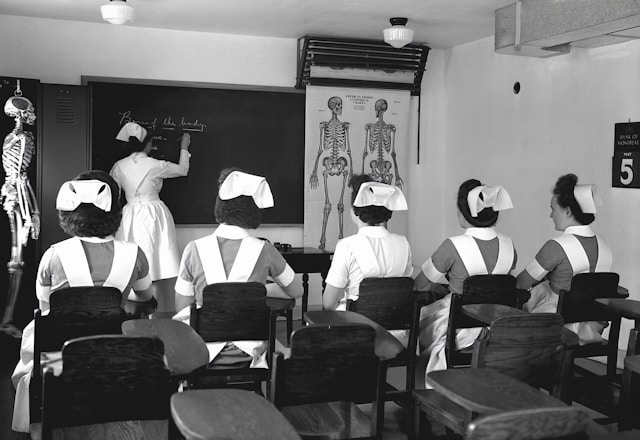
Leadership in education also means mentoring. Experienced nurses shape the habits of new colleagues. If critical thinking is modeled early, it becomes routine. If shortcuts are normalized, they spread quickly.
Professional culture is learned through observation. Leaders must be aware of the example they set.
Ethical Leadership in Complex Care Environments
Modern healthcare presents ethical tension regularly. End-of-life decisions, limited resources, and conflicting family expectations create stress. Nurse leaders often mediate these situations.
Ethical leadership requires structured decision-making, transparency, and respect for patient autonomy. It also requires awareness of moral distress among staff. Repeated exposure to ethically difficult cases without support can lead to emotional exhaustion.
Providing space for discussion after challenging events reduces long-term psychological impact. Leadership here is quiet but critical. It acknowledges that nursing is not only technical work. It is moral work.
Conclusion: Leadership Is a Daily Practice
Nursing leadership is not defined by job title. It is defined by behavior. It shows in how nurses respond to pressure, how they protect patients, and how they influence systems.
From bedside advocacy to policy involvement, nurses shape healthcare every day. Leadership requires clinical competence, communication skills, ethical clarity, and personal accountability.
The healthcare system depends on strong nursing voices. Not louder voices. Stronger ones. Steady, informed, and responsible.
Leadership in nursing is not optional. It is part of the profession itself.
You may also like

Nursing Ethics: Navigating Complex Moral Dilemmas in Healthcare
The Crucial Role of Nursing Ethics Nursing ethics forms the moral compass that guides nurses…

Skechers Sport Women’s D’Lites Non-Memory Foam Review
The Skechers Sport Women’s D Lites is a life saver among the women’s shoe represents…

What type of nurse makes the most money?
Welcome to Nursingshoeshunt.com, where we not only walk you through the best footwear for nurses…

Dansko Shayla Women Fashion Sneakers Review
If you are looking for a sporty style along with extreme comfort, then this vibrant…

Are Nurses Happy?
Nurses are often on the frontline of healthcare, keeping patients comfortable and cared for while…

How long does it take to become a nurse?
Becoming a nurse is a fulfilling journey with varying timelines and requirements depending on your…