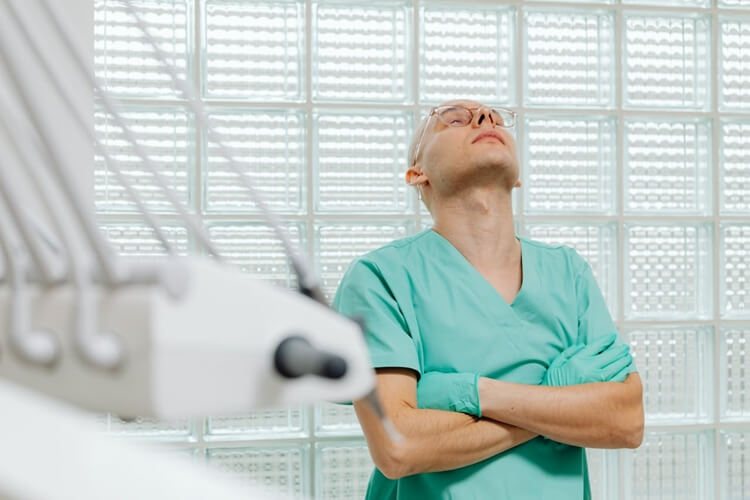
The pervasive issue of nurse burnout
Nurse burnout has emerged as a pervasive and critical issue within the healthcare landscape. This phenomenon, characterized by emotional exhaustion, depersonalization, and a reduced sense of personal accomplishment, not only affects individual nurses but has far-reaching consequences for patients and the healthcare system as a whole.
Understanding Nurse Burnout
To comprehend nurse burnout, it’s essential to delve into its multifaceted nature. Contributing factors include heavy workloads, long hours, inadequate staffing, and the emotional strain of caring for patients in distress.

The demanding nature of the nursing profession, coupled with external stressors, creates a breeding ground for burnout if not addressed proactively.
The Toll on Nurses
The toll of burnout on nurses is profound, impacting both their physical and mental well-being. Chronic stress can lead to fatigue, sleep disturbances, and increased susceptibility to illness.
Emotionally, nurses may experience a sense of detachment, reduced job satisfaction, and heightened feelings of frustration and hopelessness, eroding their overall quality of life.
The Consequences for Patients
Nurse burnout doesn’t solely affect the healthcare professionals themselves; its repercussions extend to patient care. Research indicates that burnout is associated with an increased risk of medical errors, compromised patient safety, and decreased quality of care.
The emotional exhaustion experienced by burned-out nurses can hinder their ability to provide empathetic and compassionate care, directly impacting patient outcomes.
The Healthcare System’s Response
In response to the escalating issue of nurse burnout, healthcare systems have begun acknowledging the need for proactive measures. Initiatives such as nurse well-being programs, mental health resources, and improved staffing ratios aim to create a more supportive work environment.
However, addressing nurse burnout requires a comprehensive, systemic approach that goes beyond individual interventions.
Prevention and Self-Care
Preventing nurse burnout involves a twofold approach – individual and systemic. Nurses must prioritize self-care, recognizing the importance of physical and mental well-being. Regular breaks, mindfulness practices, and seeking support are crucial components of self-care.

Simultaneously, healthcare organizations should implement strategies like workload management, fostering a positive workplace culture, and providing access to mental health resources.
The Need for Systemic Changes
While individual efforts are vital, systemic changes are imperative for sustainable solutions to nurse burnout. Adequate staffing levels, realistic workloads, and fair compensation contribute to a healthier work environment.
Creating a culture that values and supports nurses, along with continuous professional development opportunities, can mitigate burnout by fostering a sense of purpose and professional growth.
A Call for Recognition and Support
Recognizing and supporting nurses facing burnout is a shared responsibility. Leadership within healthcare organizations must prioritize the well-being of their nursing staff, actively addressing burnout risk factors, and creating channels for open communication.
Colleagues, recognizing the signs of burnout in their peers, can offer support and encouragement, creating a collaborative and compassionate workplace culture.
Conclusion
In conclusion, nurse burnout is an epidemic that demands urgent attention and comprehensive solutions. The toll it takes on nurses and the potential consequences for patient care necessitate a collective effort from individuals, healthcare organizations, and policymakers. By recognizing the signs, implementing preventative measures, and advocating for systemic changes, we can work towards creating a healthcare environment where nurses thrive, ultimately enhancing the quality of care provided.
Frequently Asked Questions
What are the common signs of nurse burnout?
Common signs of nurse burnout include emotional exhaustion, detachment from work, a sense of inefficacy or reduced accomplishment, increased irritability, disrupted sleep patterns, and physical symptoms like headaches and muscle tension.
How does nurse burnout affect patient care?
Nurse burnout can significantly impact patient care by increasing the risk of medical errors, compromising patient safety, and decreasing the overall quality of care. Burned-out nurses may struggle to provide empathetic and attentive care, leading to potential negative outcomes for patients.
How can healthcare organizations address nurse burnout?
Healthcare organizations can address nurse burnout by implementing strategies such as workload management, improving staffing ratios, providing mental health resources, fostering a positive workplace culture, and offering professional development opportunities. Recognizing and prioritizing the well-being of nursing staff is essential.
How can the public support nurses facing burnout?
The public can support nurses facing burnout by advocating for policies that prioritize nurse well-being, recognizing the challenges they face, and promoting a broader understanding of the complexities of the nursing profession. Expressing gratitude and offering words of encouragement can also contribute to boosting morale among nurses.
You may also like

Advanced Practice Nursing: Expanding Roles and Responsibilities
The Evolution of Advanced Practice Nursing The landscape of healthcare has evolved, and with it,…

Skechers Sport Women’s Valeris Fashion Sneaker Review
Sketchers is a brand renowned for the lifestyle it promotes: healthy and sporty. These striking…

How Affected Is Your Body By The Shoes You Wear?
Your feet are the first part of your body’s support system and carry all of…

Are Nurses Happier Than Doctors?
Doctors and nurses work side by side throughout their careers and share many of the…

Dansko Women’s Professional Pro Cabrio Leather Clog Review
Dansko enjoys an excellent reputation all over the world, thanks to its high quality shoes….
Nursing Specializations: Choosing Your Path in the Diverse Field of Nursing
Nursing Specializations Nursing includes many specializations, each addressing specific healthcare needs. These roles allow nurses…